


Every successful building project has someone holding the whole picture together: the schedule, the people, the paperwork, and the budget. That person is usually the construction manager. If you lead an architecture, engineering, or construction firm and are asking what does a construction manager do, the short answer is that they plan, coordinate, and oversee construction work from early planning through final handover, so the project finishes on time, on budget, and to the design intent.
This guide walks through the role in practical terms: the daily work, the documents they own, the skills to look for, and how a construction manager fits alongside your architects, engineers, and estimators. It is written for firm owners, principals, and project leads who want a clear view of the role before they bring on a dedicated construction manager.
What Is a Construction Manager?
A construction manager is the professional responsible for directing the construction phase of a project and, very often, the planning that comes before it. The Construction Management Association of America describes construction management as a professional service that gives a project’s owner effective management of schedule, cost, quality, safety, scope, and function. CMAA also notes that construction management works with every project delivery method.
The title sits close to two others, and it helps to separate the three roles:
- Construction manager: Oversees the full delivery process, often joining during design to advise on constructability, sequencing, and cost, then managing the work through closeout.
- General contractor: Holds the construction contract, hires the trades, and builds the project. On many jobs the general contractor’s team includes its own construction managers.
- Project manager: A broader title used across industries. In construction, project managers and construction managers share many duties, and some firms use the titles interchangeably.
Two common delivery arrangements shape the role. Under agency CM, the construction manager acts as the owner’s advisor and representative and does not hold the trade contracts. Under CM at-risk, the construction manager commits to delivering the project within a guaranteed maximum price (GMP) and holds the trade contracts, much like a general contractor during construction.
In short, the construction manager is the person who keeps the plan, the people, and the progress aligned.
What Does a Construction Manager Do Day to Day?
The day-to-day work centers on keeping the project moving. The U.S. Bureau of Labor Statistics outlines construction manager duties such as preparing budgets and work timetables, interpreting contracts and technical information, collaborating with architects and engineers, scheduling subcontractors, and reporting progress to the firm and its clients. In practice, that work falls into three main streams.
Planning and Sequencing the Work
Before crews arrive, the construction manager breaks the project into phases and tasks and decides the order in which they happen. Foundations come before framing, rough-ins come before drywall, and long-lead items such as switchgear or curtain wall need to be ordered well ahead of installation. Good sequencing keeps trades from stacking on top of each other and keeps the site productive every day.
Building and Updating Project Schedules
Construction project scheduling is one of the most visible parts of the job. The construction manager builds the baseline schedule, links activities with their dependencies, and identifies the critical path. As the work progresses, they update the schedule with actual progress, adjust upcoming activities, and share look-ahead schedules with the field team so everyone knows what is coming over the coming weeks.
Coordinating Subcontractors, Consultants, and Clients
A single project can involve dozens of companies. The construction manager is the hub that connects them: confirming that trades are ready to mobilize, relaying design questions to the architect or engineer, running coordination meetings, and keeping the owner informed. Clear, steady communication is what turns a group of separate contracts into one coordinated project.
Managing Project Documentation
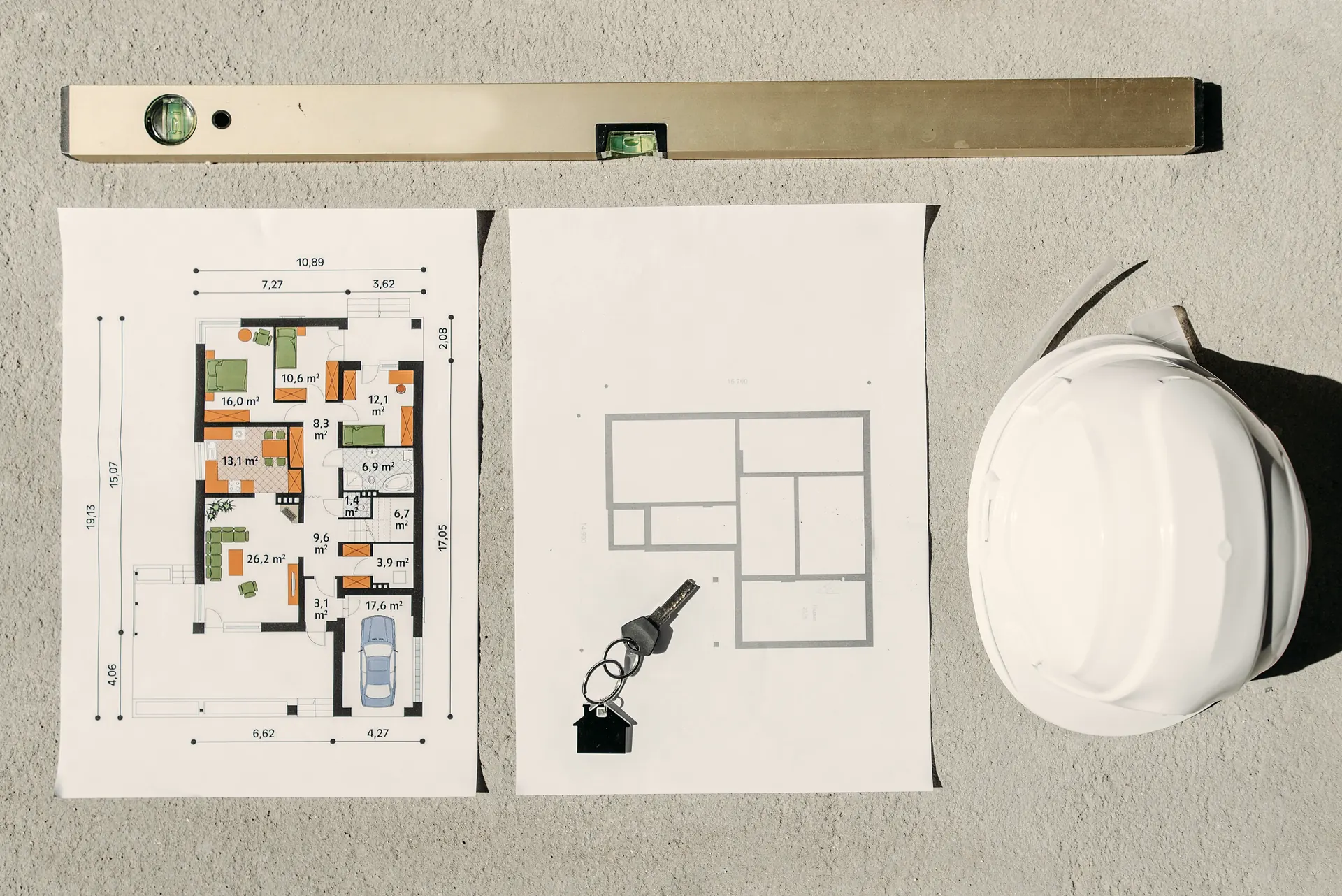
Strong documentation is how a construction manager keeps a project organized and accountable. It records decisions, protects the schedule, and gives every party a shared source of truth.
RFIs, Submittals, and Change Orders
Requests for information (RFIs) capture questions from the field that need an answer from the design team. Submittals, such as shop drawings, product data, and samples, confirm that what will be installed matches the design. Change orders document approved changes to scope, cost, or time. The construction manager logs each item, routes it to the right reviewer, tracks responses, and makes sure approved information reaches the people building the work.
Daily Logs and Progress Reports
Daily logs record what happened on site: crews present, work completed, deliveries, weather, inspections, and visitors. These entries feed weekly and monthly progress reports for the firm’s leadership and the owner. Well-kept logs and reports give everyone a clear, factual picture of where the project stands.
Closeout and Handover Documents
At the end of the project, the construction manager assembles the closeout package. This typically includes as-built drawings, operation and maintenance manuals, warranties, final inspection records, and punch list sign-offs. A complete, well-organized handover helps the owner operate the building with confidence and leaves a strong final impression of your firm.
Budgeting, Cost Tracking, Quality, and Safety
Beyond schedules and documents, the construction manager keeps watch over four areas that define a successful project.
Budgeting and cost tracking. The construction manager works from the project budget, tracks committed and actual costs, reviews pay applications, and keeps leadership informed about how spending compares with the plan. Many construction managers also take on estimating tasks, which keeps cost and schedule planning closely connected.
Quality. They make sure the work meets the drawings and specifications by coordinating inspections, reviewing installed work, and managing punch lists.
Safety. They support the site safety program, make safety part of every coordination meeting, and keep crews working to the project safety plan.
Compliance. The BLS notes that construction managers make sure projects comply with legal requirements, including building and safety codes, which often means working with inspectors and local officials.
Construction Manager Responsibilities Across the Project Lifecycle
Construction manager responsibilities shift as a project moves forward. Across the project lifecycle, the role breaks into three stages.
Pre-construction. The construction manager reviews drawings for constructability, develops the early schedule and phasing plan, supports budgeting and estimating, helps define bid packages, and assists with selecting subcontractors. Involvement at this stage helps the design and construction teams start on the same page.
Construction. This is the most active stage. The construction manager leads coordination meetings, manages the schedule, processes RFIs, submittals, and change orders, tracks cost, oversees quality and safety, and reports progress to the owner and the firm.
Closeout. The construction manager drives the punch list to completion, gathers closeout documents, coordinates final inspections and occupancy, and hands the project over to the owner. A strong closeout also captures lessons that make the next project even smoother.
Skills and Software to Look For
The best construction managers combine technical knowledge with clear communication and steady organization. When you evaluate candidates, look for these strengths.
Scheduling expertise. Experience with scheduling tools such as Primavera P6 and Microsoft Project, along with a solid grasp of critical path planning.
Project management platforms. Comfort with construction management platforms such as Procore and similar tools for RFIs, submittals, daily logs, and document control.
Reading drawings and contracts. The ability to read architectural, structural, and MEP drawings, understand specifications, and interpret contract terms. The BLS lists technical skills, including knowledge of construction technologies, contracts, and technical drawings, among the key qualities for the role.
Communication and leadership. Construction managers explain complex information to owners, designers, inspectors, and field crews. Analytical, decision-making, and leadership skills round out the profile.
Certifications and training. Professional credentials show a commitment to the field. The Certified Construction Manager (CCM) credential from CMAA is one widely recognized option. The Associated General Contractors of America offers education and training programs that help construction professionals keep their skills current.
How a Construction Manager Works With Architects, Engineers, and Estimators
A construction manager is most effective as part of a connected team.
Architects. The construction manager turns the architect’s design into a buildable sequence. They route RFIs and submittals to the architect, share field conditions, and help keep the finished building true to the design intent.
Engineers. Structural, civil, and MEP engineers rely on the construction manager to coordinate their reviews, share site conditions, and schedule inspections. On projects that use building information modeling, the construction manager also works with the BIM team on clash detection and model-based coordination. If your team is growing in this area, our guide to what a BIM specialist does explains how that role supports coordination.
Estimators. Estimators build the cost picture, and the construction manager carries it into the field. Together they align the budget with the schedule, price changes, and keep leadership informed about project costs.
Many firms also pair a construction manager with a dedicated project coordinator who handles document logs, meeting notes, and follow-ups, which lets the construction manager stay focused on planning and coordination.
Signs Your Firm Is Ready for a Dedicated Construction Manager
Adding a construction manager is often a natural step for a growing firm. Demand for the role is strong: the BLS projects employment of construction managers to grow 9 percent from 2025 to 2035, much faster than the average for all occupations. Here are some positive signs that your firm is ready.
You are running more projects at the same time. As your portfolio grows, a dedicated construction manager keeps every schedule and team coordinated.
Your project leads are spending more time on schedules and paperwork. When principals and senior designers spend their days updating schedules, logging RFIs, and writing reports, a construction manager frees them to focus on design, clients, and business growth.
Owners are asking for tighter reporting. Regular, detailed progress updates are a mark of a well-run project. A construction manager delivers consistent reporting that builds trust and supports repeat work.
You are pursuing larger or more complex projects. Bigger projects bring more trades, more documents, and more coordination, which is exactly where a construction manager adds value.
If several of these signs fit your firm, it is a good time to hire construction managers who can grow with you.
How Remotation Helps AEC Firms Hire Construction Managers
Remotation helps US AEC firms add dedicated, full-time offshore construction managers who work only for your firm. Each construction manager works during your US business hours from our managed office and joins your team like any other in-house hire, following your processes and reporting to your leads.
We handle recruiting, payroll, HR, and compliance, so your team can focus on the projects. With offices in Houston, USA and Karachi, Pakistan, we help you build your team at a fraction of the cost of local hiring.
If you are ready to grow your project delivery capacity, learn how to hire construction managers through Remotation, or explore our dedicated AEC professionals across every role.
Frequently Asked Questions
What is the difference between a construction manager and a project manager?
In construction, the two roles overlap heavily, and many firms use the titles interchangeably. A construction manager typically focuses on the construction process itself, from pre-construction planning through closeout. Project manager is a broader title that can also cover business and client responsibilities across a portfolio.
What is the difference between a construction manager and a project coordinator?
A construction manager leads the planning, scheduling, and coordination of the project. A project coordinator supports that work by managing document logs, meeting minutes, submittal tracking, and day-to-day follow-ups.
What software do construction managers use?
Construction managers commonly use scheduling tools such as Primavera P6 and Microsoft Project, construction management platforms such as Procore, and drawing and model review tools for coordination with design teams.