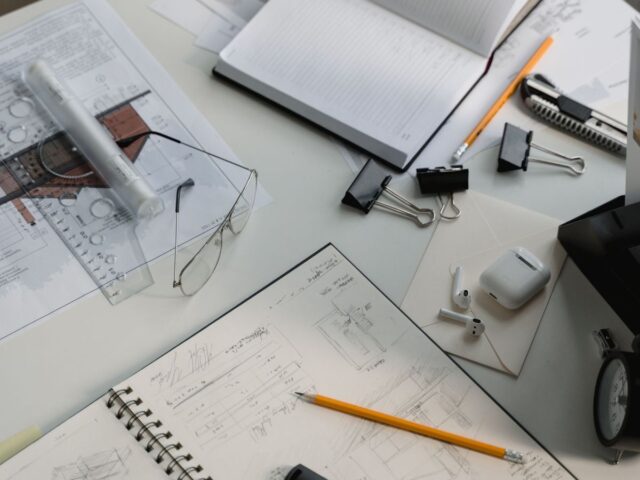



Architecture is a design profession, yet a large share of every week goes to work that has nothing to do with design: answering emails, chasing consultant updates, formatting proposals, logging submittals, and keeping project files in order. A virtual assistant for architects takes on that steady flow of administrative and project support work so architects and project leads can spend their hours on design, clients, and quality.
This guide explains what a virtual assistant does in an architecture practice, the tasks that are easiest to hand over, the skills that matter, and how the role fits into a studio’s daily rhythm. It is written for principals, studio managers, and project architects who want more time for the work only they can do.
Virtual Assistant for Architects: What the Role Covers
A virtual assistant for architects is a remote professional who supports an architecture firm with administrative, coordination, and documentation tasks. Unlike a general virtual assistant, an AEC-focused assistant understands how architecture projects move from schematic design through construction administration, knows the vocabulary of drawings, RFIs, and submittals, and is comfortable working inside the tools a studio already uses.
The role usually sits between three groups:
- Principals and firm leadership: The assistant manages calendars, inboxes, proposals, and follow-ups so leadership time goes to clients and business development.
- Project architects and designers: The assistant tracks deadlines, organizes project documents, and prepares meeting notes and transmittals so the design team stays focused on drawings and decisions.
- Clients and consultants: The assistant keeps communication moving, sends reminders, and makes sure every party has the latest information.
Tasks a Virtual Assistant for Architects Handles Well
The best tasks to hand over are recurring, process-driven, and time-consuming. They fall into five groups.
Inbox, Calendar, and Client Communication

Principals often spend hours each week sorting email and scheduling. A virtual assistant can triage the inbox, flag what needs a decision, draft routine replies, and book client meetings, site visits, and consultant calls. Prompt, well-organized communication is part of how clients judge a firm, and an assistant helps every message get a timely response.
Proposals, Contracts, and Marketing Support
Winning work takes a steady stream of documents. An assistant can format proposals and statements of qualifications, update team resumes and project sheets, prepare portfolio pages, and keep a library of past project descriptions ready for the next pursuit. Many firms also use their assistant to schedule social media posts, update the website project gallery, and maintain a list of upcoming opportunities.
Project Coordination and Documentation
During design and construction, small coordination tasks add up quickly. A virtual assistant can:
- Prepare meeting agendas, take minutes, and distribute action items to the team.
- Maintain RFI and submittal logs and remind the right people when responses are due.
- Prepare transmittals and keep drawing issue records organized.
- Track consultant deliverables against the project schedule.
- Organize project folders so everyone can find the current version of every document.
For larger projects, this work often grows into a dedicated coordination role. Our guide to what a virtual AEC assistant can do for your business covers more of these responsibilities across the wider industry.
Research and Permitting Support
Before design starts, architects gather a lot of background information. An assistant can collect zoning summaries, pull property records, compile product data sheets and manufacturer literature, and assemble permit application packages for the architect’s review. Gathering this information in one place saves the design team hours of searching on every new project.
Billing, Time Tracking, and Office Administration

Healthy cash flow depends on consistent routines. A virtual assistant can remind the team to submit timesheets, prepare draft invoices for review, track outstanding payments, maintain vendor and consultant contact lists, and keep the office calendar of deadlines, renewals, and events up to date.
Skills to Look For in an Architecture Virtual Assistant
Strong assistants combine organization with industry knowledge. The most valuable skills include:
- Clear written English: Professional emails, meeting minutes, and proposals reflect directly on the firm.
- Familiarity with AEC terminology: Knowing the difference between an RFI, a submittal, and a change order means less explaining and faster work.
- Comfort with common software: Microsoft 365 or Google Workspace, PDF markup tools, and project management platforms are part of everyday work.
- Attention to detail: Logs, schedules, and document versions need to be accurate every time.
- Proactive follow-through: The best assistants track open items and close the loop without being asked.
How a Virtual Assistant Fits Into an Architecture Studio
A virtual assistant works best as a true member of the team. Firms that get the most from the role share their project calendar, invite the assistant to internal meetings, and give clear ownership of specific tasks, such as the RFI log on each project or the proposal library.
The value grows over time. As the assistant learns the firm’s templates, clients, and preferences, more work can be handed over, and principals find their weeks opening up for design reviews, client relationships, and growth. Firms that also support construction work can read how a virtual AEC assistant improves productivity across architecture, engineering, and construction teams.
Signs Your Firm Is Ready for a Virtual Assistant
Principals are answering routine email at night. Evening hours spent on scheduling and follow-ups are hours an assistant can return to design and family time.
Proposals are assembled at the last minute. A maintained library of resumes, project sheets, and templates makes every pursuit faster and more polished.
Project logs fall behind during busy weeks. An assistant keeps RFI, submittal, and meeting records current, even when deadlines stack up.
The firm is growing. More projects mean more coordination, and an assistant adds that capacity before it becomes a bottleneck.
How Remotation Helps Architecture Firms Add Virtual Assistants
Remotation helps US architecture, engineering, and construction firms add dedicated, full-time offshore professionals who work only for your firm. Our AEC virtual assistants work during your US business hours, join your team like an in-house hire, and follow your processes and templates.
We handle recruiting, payroll, HR, and compliance, so your team can stay focused on design and clients. With offices in Houston, USA and Karachi, Pakistan, we help firms grow their support capacity with people who understand how AEC projects run.
Learn more about how to hire an AEC virtual assistant through Remotation, or book a 15-minute intro call to talk through what your firm needs.
Frequently Asked Questions
What does a virtual assistant for architects do?
A virtual assistant for architects handles administrative and project support work, including email and calendar management, proposal formatting, meeting minutes, RFI and submittal logs, research, and billing support, so architects can focus on design and clients.
How is an AEC virtual assistant different from a general virtual assistant?
An AEC virtual assistant understands architecture and construction workflows and terminology, such as drawing issues, RFIs, submittals, and permit packages. That background means less training and more useful support from the first week.
Which tasks should an architecture firm hand over first?
Start with recurring, well-defined work: inbox triage, scheduling, meeting minutes, and project logs. Once the assistant knows your templates and clients, add proposals, research, and billing support.
Can a virtual assistant help with marketing for an architecture firm?
Yes. Assistants often update project sheets and team resumes, prepare portfolio pages, schedule social media posts, and keep the website project gallery current.