


Every construction project starts as a number. Before a contract is signed or a crew is scheduled, someone has to read the drawings, count the materials, price the labor, and turn it all into a figure the firm can stand behind. That person is the construction estimator. Understanding construction estimator responsibilities helps owners, principals, and preconstruction leads see how much of a firm’s success depends on this one role, and what to look for when adding one.
This guide walks through what a construction estimator does day to day, how the role supports bids and budgets, the skills and software that matter, and how estimators work alongside project managers, engineers, and construction managers.
What Is a Construction Estimator?
A construction estimator is the professional who calculates what a project will cost to build. Using drawings, specifications, and pricing data, the estimator works out the quantities of materials, the labor hours, the equipment, and the subcontracted scopes a project needs, then assembles them into a complete cost estimate.
The U.S. Bureau of Labor Statistics describes cost estimators as professionals who collect and analyze data to assess the time, money, materials, and labor a project requires. A construction cost estimator applies that skill set specifically to buildings, infrastructure, and specialty trade work, while other cost estimators work in fields such as manufacturing.
Estimators are sometimes confused with project managers and construction managers. In simple terms:
- Estimator: Defines what the work should cost before it starts and supports pricing as the scope changes.
- Project manager: Owns the delivery of the project, including schedule, client communication, and coordination.
- Construction manager: Oversees construction activity in the field and keeps work moving safely and on plan.
The roles overlap and rely on each other, but the estimator is the one whose main job is the numbers.
Construction Estimator Responsibilities Day to Day
Most of an estimator’s week goes into three connected tasks: understanding the project, measuring it, and pricing it.
Reading Drawings and Specs
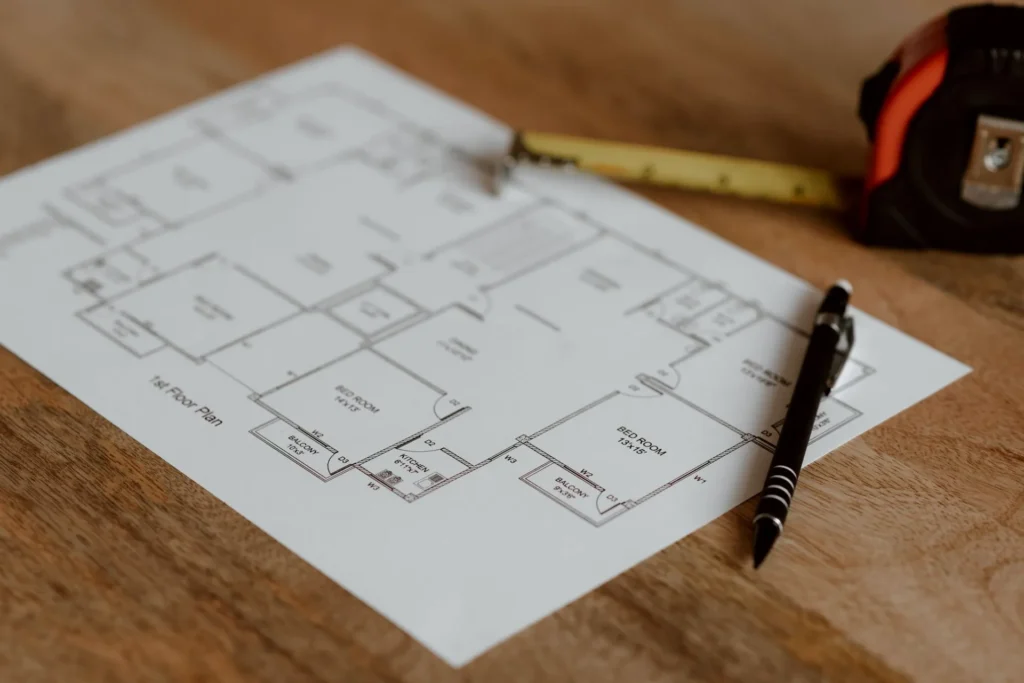
Every estimate starts with the documents. An estimator reviews architectural, structural, civil, and MEP drawings along with the project specifications to understand exactly what is being built. That review identifies the scope, the materials and finishes specified, the quality standards, and any details that will affect cost, such as unusual assemblies, phasing requirements, or site conditions.
A careful document review also surfaces questions early. When drawings conflict or information is missing, the estimator flags it so the team can request clarification before pricing is locked in.
Quantity Takeoffs
A quantity takeoff is the measured list of everything a project needs: cubic yards of concrete, tons of rebar, linear feet of wall, square feet of drywall, counts of doors, fixtures, and devices. Takeoffs are the foundation of every reliable estimate, because a price is only as accurate as the quantity behind it.
Today most takeoffs are done digitally, measuring directly on PDF drawings or models. A good estimator organizes takeoffs by trade or by cost code so the quantities are easy to check, update, and reuse when drawings are revised.
Building and Updating Cost Estimates
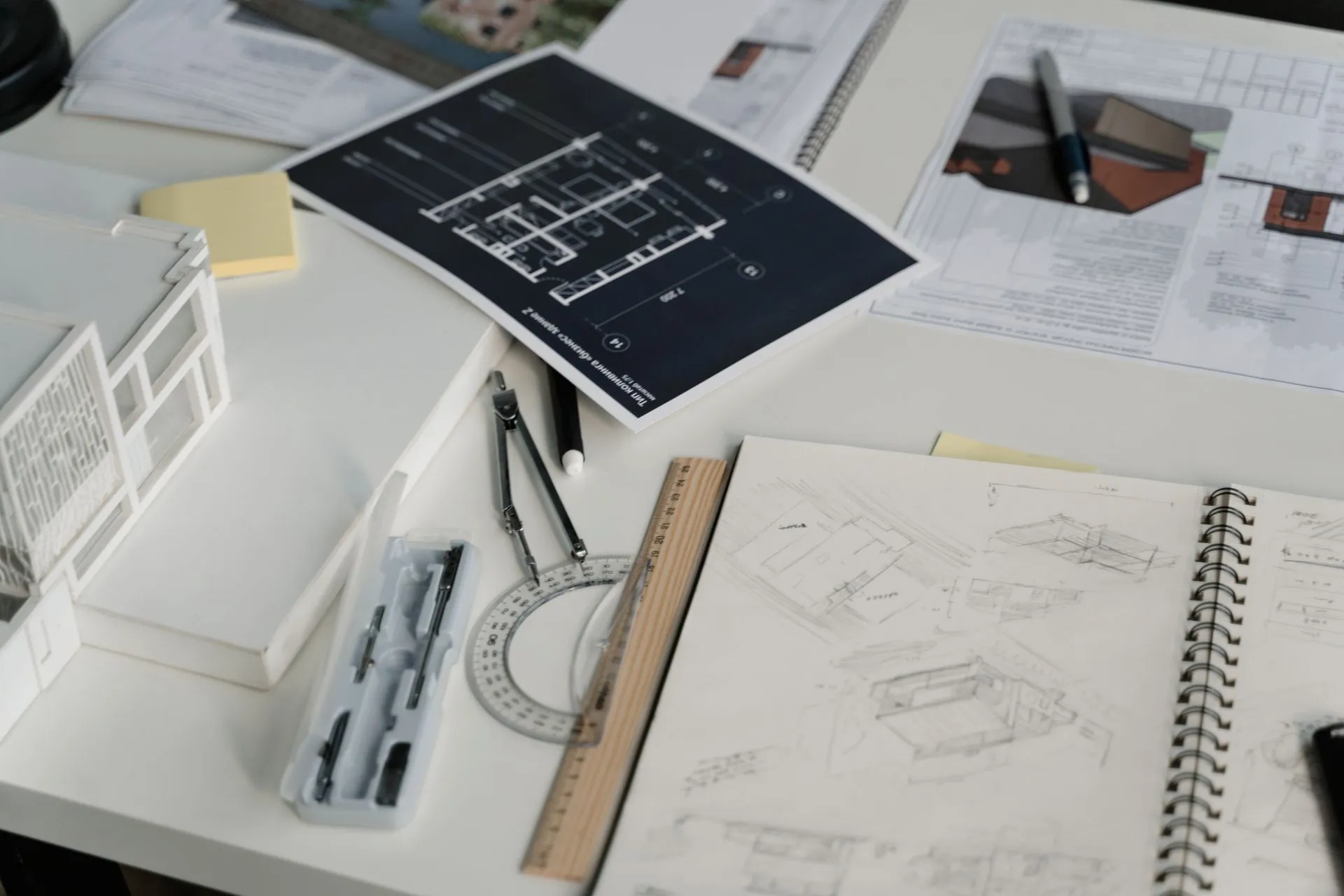
With quantities in hand, the estimator applies costs. That includes material pricing, labor productivity and rates, equipment, subcontractor pricing, general conditions, and markups. Cost estimating is not a one-time event: estimates are refined as the design develops, from early conceptual numbers through detailed estimates on final construction documents.
Estimators also keep records of estimated versus actual costs. Over time, that history becomes one of a firm’s most valuable assets, giving every new estimate a stronger starting point.
Bid Support and Proposal Work
For contractors and many AEC firms, a large share of construction estimator responsibilities centers on bidding.
Organizing Bid Documents and Addenda
Bid packages change. Addenda add, remove, or clarify scope, sometimes days before a deadline. The estimator tracks every addendum, confirms that the takeoff and pricing reflect the latest documents, and keeps bid files organized so nothing is missed.
Subcontractor and Supplier Quote Support
Most projects include scopes priced by subcontractors and suppliers. Estimators help define those scopes, request quotes, and compare the responses. Comparing quotes is about more than finding the lowest number: the estimator checks that each quote covers the same scope, notes exclusions, and fills gaps so the final number is complete.
Assembling Proposals
Near the deadline, the estimator brings everything together: the summarized estimate, qualifications and clarifications, alternates, and unit prices where requested. A clear, well-organized proposal helps the client understand exactly what is included and makes the firm easier to choose.
How Estimators Support Budgeting and Cost Planning
Estimators add value well beyond bid day. During early design, they prepare conceptual and schematic budgets that help owners and design teams decide what is feasible. As the design moves forward, they price design options and value alternatives so the team can make informed choices about systems, materials, and layouts.
Once a project is underway, estimators often price change orders and scope revisions, giving project managers a fast, defensible number to negotiate with. The BLS notes that estimators commonly recommend ways to reduce costs and collaborate with engineers, architects, clients, and contractors, which captures how central the role is to cost planning across the whole project life cycle.
Skills and Software to Look For
Strong estimators combine technical knowledge with careful habits. The most important skills include:
- Reading plans and specifications: Comfort with drawings across disciplines and the ability to spot scope that is implied but not drawn.
- Math and attention to detail: Small measurement or pricing errors can change the outcome of a bid, so precision matters.
- Construction knowledge: An understanding of means, methods, and sequencing turns quantities into realistic labor and equipment costs.
- Organization and time management: Bid deadlines are fixed, and estimators often work several pursuits at once.
- Communication: Estimators explain their numbers to project managers, owners, and subcontractors and write clear qualifications.
On the software side, estimators commonly work with tools such as Bluebeam Revu, PlanSwift, On-Screen Takeoff, and Excel, along with dedicated estimating platforms and cost databases. Many also work with BIM models for model-based takeoffs.
Professional credentials are a useful signal as well. The American Society of Professional Estimators offers the Certified Professional Estimator (CPE) designation, and AACE International provides certifications in cost engineering and estimating.
How a Construction Estimator Works With Project Managers, Engineers, and Construction Managers
An estimator rarely works alone. The role sits at the center of several working relationships.
With project managers: The estimator hands over the estimate, assumptions, and subcontractor quotes at contract award, so the project manager starts with a clear budget. During the project, the two work together on change pricing.
With engineers and architects: The estimator asks clarifying questions, prices design options, and shares cost feedback that helps the design team stay within budget.
With construction managers: Field teams provide insight into productivity and site conditions, and that feedback makes future estimates more accurate. If you want a closer look at that side of the project, here is what a construction manager does and how the role connects to preconstruction.
Signs Your Firm Is Ready for a Dedicated Estimator
Many firms grow into the estimator role gradually. These signs suggest it is time to give estimating a dedicated owner:
- Bid volume is rising: More invitations to bid mean more takeoffs, more quotes, and more deadlines to manage.
- Senior staff spend evenings on takeoffs: When principals and project managers are measuring drawings, their time is pulled away from clients and delivery.
- You want consistent cost data: A single estimator builds standard formats, cost codes, and historical records that make every estimate stronger.
- Preconstruction services are part of your offer: Owners increasingly expect early budgets and value options, and a dedicated estimator makes those services reliable.
If you are weighing how to structure the role, our related article on outsourced construction estimating with a dedicated estimator covers the different models firms use.
How Remotation Helps AEC Firms Hire Construction Estimators
Remotation helps US architecture, engineering, and construction firms add dedicated, full-time professionals who work only for your firm. Our estimators work during your business hours, follow your formats and cost codes, and join your preconstruction team like an in-house hire.
We handle recruitment, HR, and payroll, so your team can stay focused on winning and delivering projects. With offices in Houston, USA, and Karachi, Pakistan, we help firms build reliable estimating capacity as their bid volume grows.
Learn more about how to hire construction estimators through Remotation, or book a 15-minute intro call to talk through what your firm needs.
Frequently Asked Questions
What are the main construction estimator responsibilities?
The main responsibilities are reviewing drawings and specifications, performing quantity takeoffs, building cost estimates, gathering and comparing subcontractor and supplier quotes, assembling bids and proposals, and supporting budgets and change order pricing.
What is the difference between an estimator and a quantity surveyor?
In the US, the estimator usually handles both measuring and pricing. Quantity surveyor is a more common title in the UK, Canada, the Middle East, and South Asia, where the role covers measurement and cost management and often continues through construction with valuations and final accounts.
How is an estimator different from a construction manager?
An estimator focuses on what the work will cost, mainly before and during the early stages of a project. A construction manager focuses on building it, overseeing field activity, schedule, and safety.
What software do construction estimators use?
Common tools include Bluebeam Revu, PlanSwift, On-Screen Takeoff, and Excel, along with dedicated estimating platforms, cost databases, and BIM-based takeoff tools.